
Have you ever wondered why your ecommerce store is not driving stronger ROI, even with a user-friendly website and quality products people actually need and buy?
Maybe that’s because your store still loses revenue through casual browsing, extra costs, slow delivery, lack of trust, forced account creation, and a long checkout process. Baymard notes that the average documented cart abandonment rate sits at 70.22%, which shows how much revenue can slip away before customers complete their purchase.
This cost is not small, and this is where AI agents in ecommerce earn their keep. They help brands improve operations, strengthen the sales journey, support customers faster, and fix the profit leaks that stop revenue from growing.
In this guide, we’re going to cover how AI agents work in ecommerce, where they deliver the most impact, how to avoid disconnected AI tools that create more work than they remove and which ones are worth your attention.
Most ecommerce brands focus heavily on traffic growth, but many overlook the operational gaps that quietly drain revenue every day. A store can attract thousands of visitors each month and still struggle to grow profit because the customer journey breaks before shoppers complete a purchase.
Still sitting on the top reason why there’s a leak in business is because of cart abandonment, which means customers still have doubts about their intention to purchase, and this is what ecommerce brands are lacking.
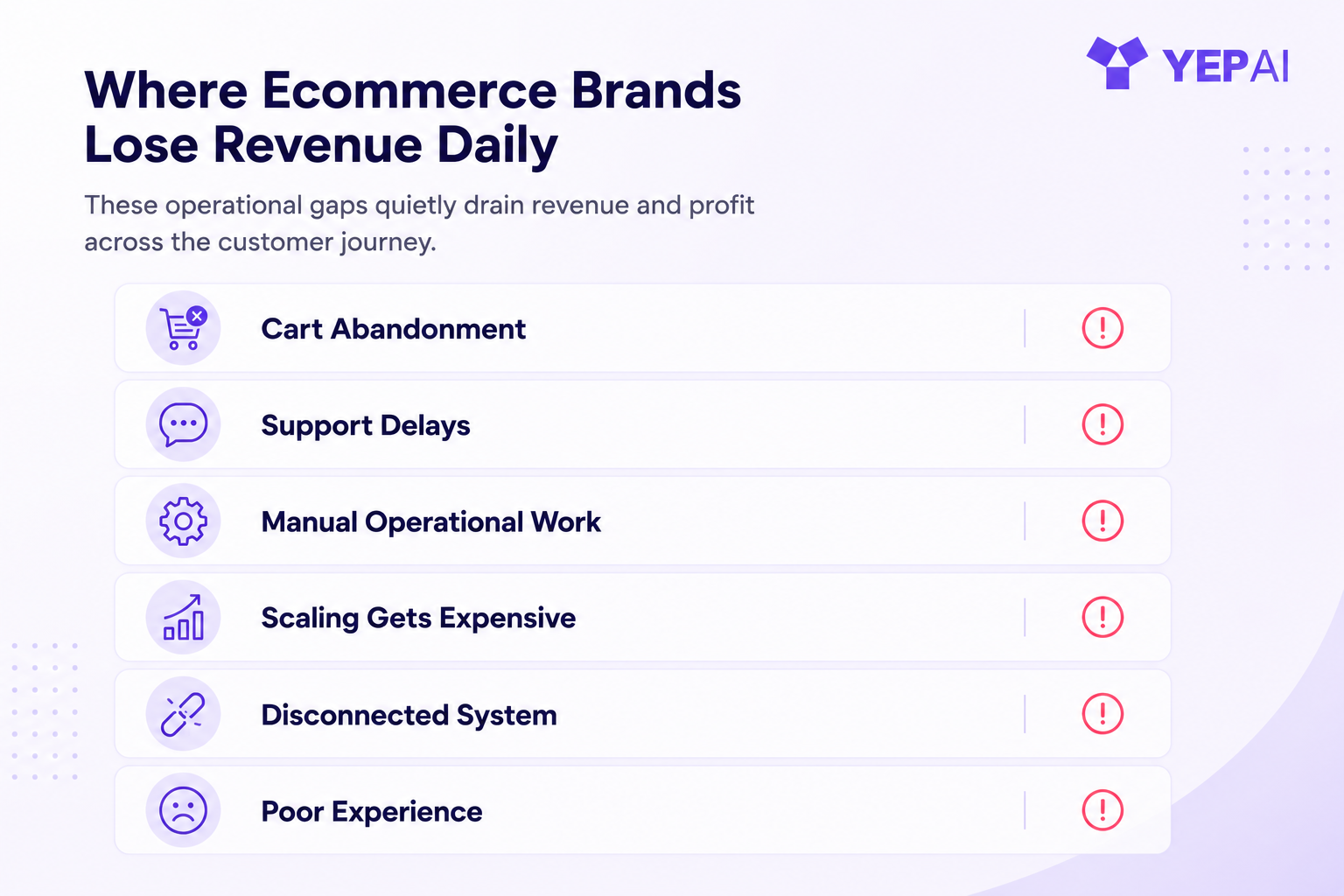
Next is the support on delays, which also hurts conversions more than many brands realise. Shopify reports that 70% of Shopify Inbox conversations happen while customers are actively deciding whether to buy. That means support conversations often sit directly inside the sales journey. When brands respond slowly, shoppers lose confidence and leave the store before converting.
At the same time, ecommerce teams continue to manage repetitive operational work manually. Staff spend hours answering the same questions, checking orders, updating products, handling returns, and resolving fulfilment issues. These tasks consume time that could otherwise support growth-focused activities.
The problem is always about being more. Things become more expensive as stores scale. More traffic creates more tickets, more operational pressure, and more delays across the customer journey. Without ecommerce automation, support costs often rise faster than revenue.
This is why ecommerce brands need to stop viewing profit loss as only a marketing problem. In many cases, the real issue sits inside the customer experience itself. Slow processes, disconnected systems, and operational bottlenecks quietly reduce conversion rates and customer retention long before brands notice the impact on revenue.
To fix these problems, brands need tools that do more than respond. They need systems that can understand context, take action, and support revenue outcomes in real time and answer to that is AI agent.
In 2026, businesses cannot afford to let doubt and uncertainty slow down the customer journey. Disciplined brands will win by improving clarity, trust, efficiency, and conversion paths.
That’s where AI agents come. An AI agent is redefining the ecommerce experience because it does more than answer questions, queries, and qualms. It helps shoppers move from product discovery to checkout with less hesitation and fewer delays.
AI agents in ecommerce are autonomous software systems that guide users across the customer journey. They can plan, execute, and complete tasks with minimal human intervention. Unlike chatbots, which often respond based on triggers and scripted answers, AI agents understand context and take action.
Their difference is distinct. AI Agents vs Chatbots comes down to action. Chatbots only answer questions, while AI agents take action. A chatbot may tell a shopper where to find a return policy. Meanwhile, an AI agent can read the shopper’s order, explain the return process, trigger the next step, and escalate the case if needed.
Sinan Aral, David Austin Professor of Management, Marketing, IT and Data Science at MIT Sloan describes agentic AI as systems that can pursue goals with more autonomy. At the same time, Kishan Chetan, EVP and General Manager of Salesforce Service Cloud also frames AI agents as tools that understand context, make decisions, and act across workflows.
For ecommerce, this means AI agents for ecommerce can support shoppers, recover sales, and automate store tasks. They do not just sit in a chat window. They connect to product data, order data, policies, FAQs, and customer history, this shows how AI is valuing up their product and services.
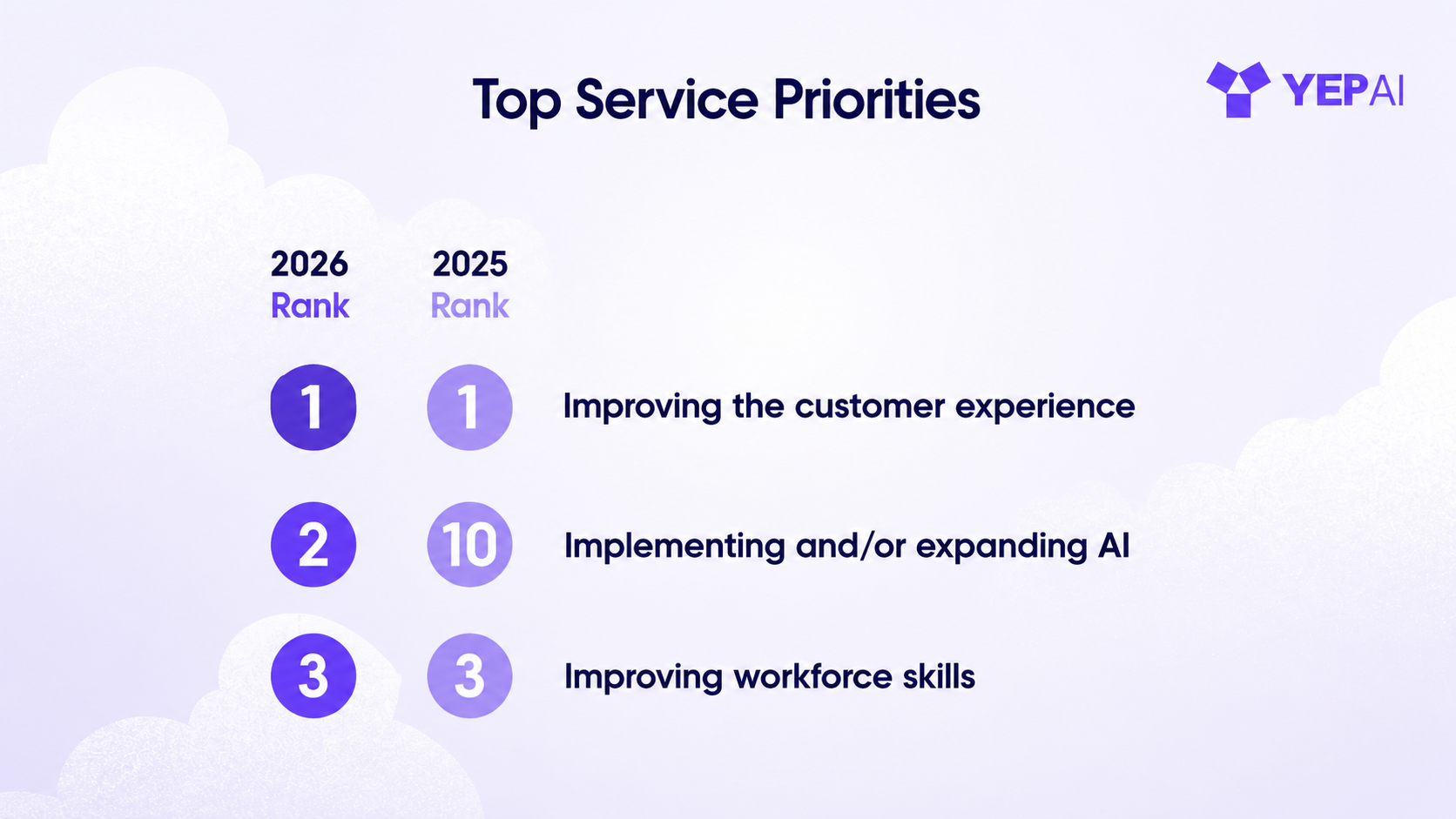
Stanford HAI’s 2025 AI Index Report found that 78% of organisations used AI in 2024, up from 55% the year before. Meanwhile, Google Cloud reports that 52% of executives say their organisations already have AI agents in production. The study also found that 74% achieved ROI within the first year, while many executives reported stronger productivity, customer experience, and business growth outcomes from AI adoption.
With the help of AI Agents in Ecommerce, it helps brands fix the operational gaps and customer experience issues that quietly reduce revenue. They improve how businesses manage support, sales, and day-to-day workflows, especially in areas where delays, manual tasks, and customer hesitation affect conversions and growth.
From support to recovering abandoned carts, AI agents help ecommerce brands remove the barriers that interrupt the customer journey.
Unlike traditional chatbots that rely on answering customer enquiries, and if faced with complex questions, they often become repetitive on answering, and the answers are not always directly addressed. With AI agents, businesses can respond more instantly and accurately.
Customer support is one of the first areas where ecommerce brands feel operational pressure. As stores grow, teams handle more delivery questions, return requests, order updates, and product enquiries. Over time, it is one of the repetitive tasks that AI Agents can eliminate today.
AI agents for customer support help brands manage these requests faster and more efficiently. They can answer FAQs, track orders, explain return policies, and escalate complex concerns to human agents when needed. Instead of relying entirely on manual responses, businesses can automate routine interactions without sacrificing customer experience.
The real value is not just ticket deflection. The better value is protecting buyer intent because buyer questions often happen at high-intent moments. So, if a shopper asks a question before buying, a fast answer can keep them moving toward checkout, making your business
Many ecommerce brands lose revenue because shoppers leave before completing a purchase. Customers may hesitate because of pricing concerns, delivery questions, product uncertainty, or lack of trust during checkout.
AI agents for sales help brands reduce this hesitation by guiding shoppers throughout the buying process. They can recommend products, answer objections, suggest alternatives, recover abandoned carts, and personalise product suggestions based on customer behaviour.
Unlike static sales tools, AI agents work in real time, especially sales agents as they are the ROI strongest soldier. They respond to customer intent, support decision-making, and help shoppers move from browsing to buying with fewer interruptions.
Operational inefficiencies quietly reduce ecommerce profitability every day. Teams spend hours managing repetitive admin tasks, updating products, checking orders, handling fulfilment concerns, and responding to internal workflow issues.
AI agents help ecommerce brands automate these routine processes. They can monitor workflows, assist with merchandising updates, flag fulfilment problems, organise operational tasks, and reduce repetitive manual work across the business.
This is where ecommerce automation becomes more strategic, it improves efficiency without requiring brands to constantly expand their internal teams. Instead of spending valuable time on repetitive operational tasks, staff can focus on strategy, customer experience, and business growth.
Operations agents also help ecommerce brands scale more sustainably. As traffic, orders, and customer interactions increase, automation reduces pressure across support and fulfilment workflows. If AI agents prevent errors, delays, and repeat questions, they protect both customer experience and team capacity.
AI agents can only create real value when they work with the right data. If they cannot access product details, order history, store policies, FAQs, and customer context, they become another disconnected tool instead of a system that improves revenue.
Moreover, Shopify has also moved deeper into agentic commerce through AI-powered channels and agent-ready commerce tools. Vanessa Lee, Vice President of Product at Shopify, said Shopify will help merchants show up strong across AI-powered channels. This signals a broader shift. Ecommerce discovery is no longer limited to Google, paid ads, and marketplaces.
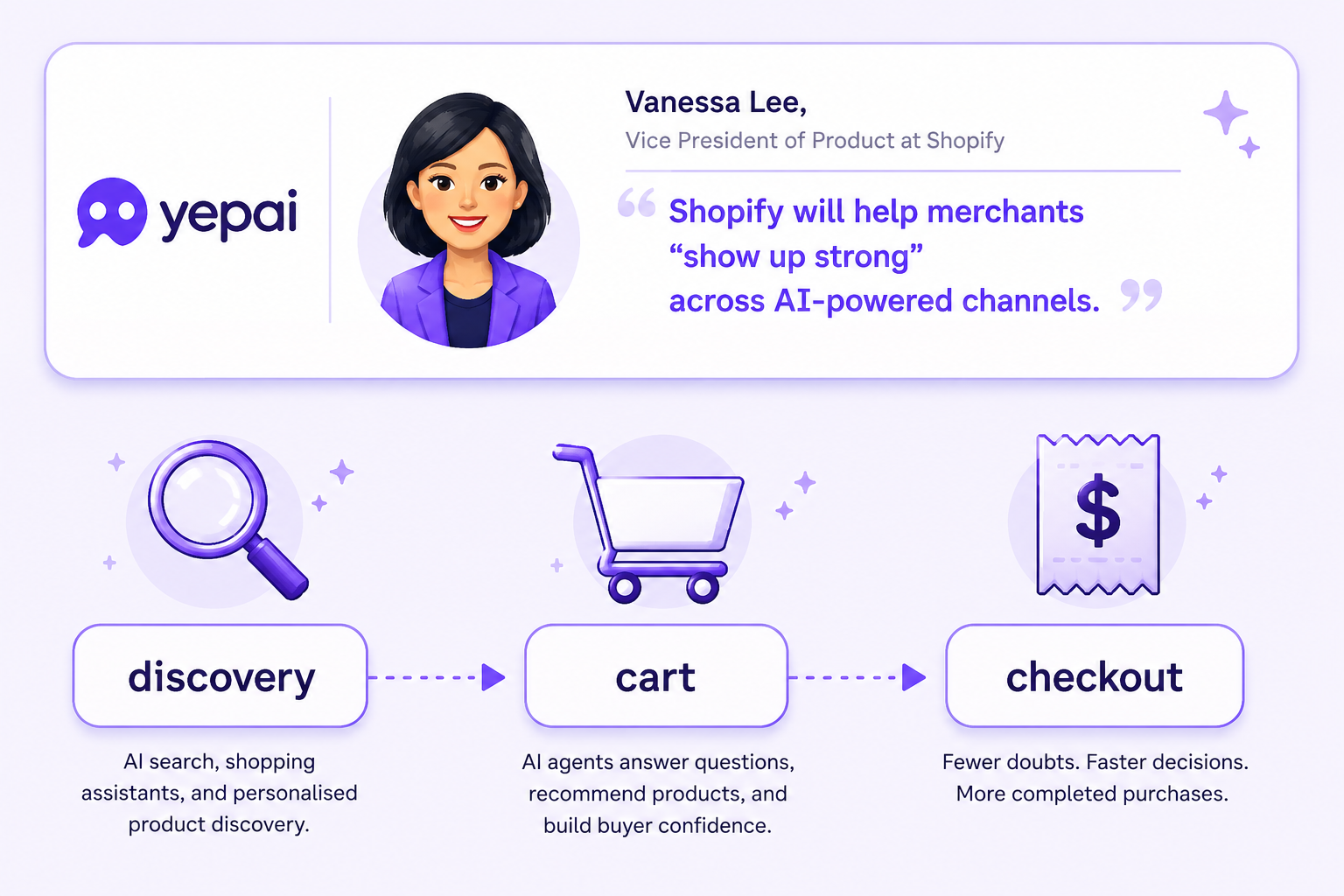
Shoppers are now finding products through AI search, AI shopping assistants, chat-based recommendations, voice AI search, and personalised product discovery tools. As LTBS explains in its article on modern furniture shopping behaviour, shoppers now rely on clearer product information, smoother online journeys, and stronger trust signals before they buy.
That means ecommerce brands need more than a well-designed store. They need clean product data, clear policies, accurate FAQs, and connected systems that AI agents can understand and use.
AI agents should not be measured by novelty alone. Ecommerce brands should track whether AI improves conversion rates, reduces support workload, recovers abandoned carts, and helps teams respond faster across the customer journey.
For Shopify brands, the strongest AI investments are the ones tied to measurable operational outcomes. That includes support efficiency, customer satisfaction, average order value, revenue recovery, and reduced manual workload.
As AI adoption grows, businesses that treat AI agents as operational systems instead of standalone tools will be better positioned to scale efficiently and improve customer experience over time.
YepAI AI Agents supports Shopify brands by using specialised AI agents to automate support, assist sales, recover revenue, and reduce manual ecommerce workloads. Brands do not need another basic chatbot, they need a connected AI team that can support sales, service, and operations across the full customer journey.
Let’s break down how YepAI AI Agents support Shopify brands where it matters most, saving time, protecting sales, and reducing daily operational pressure.
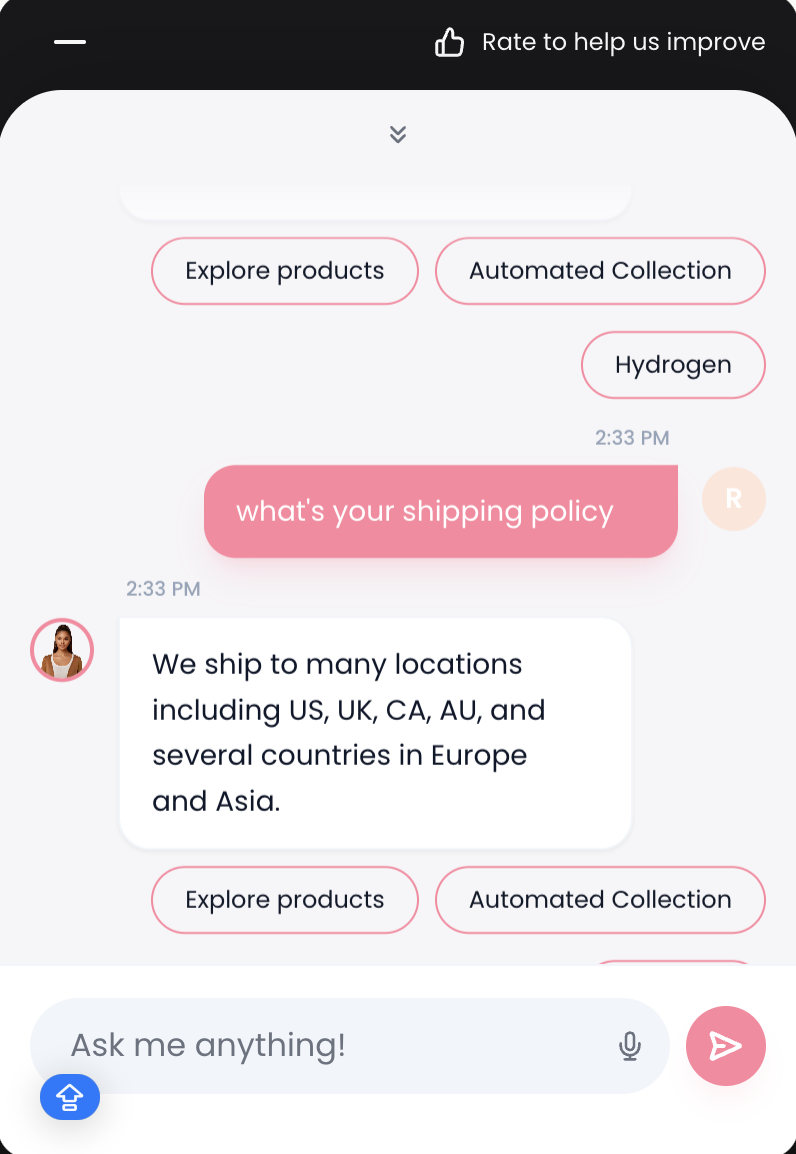
Together, these YepAI agents help Shopify brands respond faster, sell smarter, and operate with less pressure. They reduce repetitive workload, protect buyer intent, recover revenue, and help teams scale without constantly adding more staff.
We are also expanding our AI team with upcoming agents for paid ads and conversion rate optimization. These agents will help Shopify brands improve campaign performance, strengthen retention, optimise storefront conversions, and make more profitable decisions across your business. Join the waitlist and be the first to meet your AI Agent for Shopify.
In addition to that, register now and start your 14-day free trial with YepAI Agents and see how a connected AI team can help your Shopify store reduce workload, recover revenue, and scale with less operational pressure.