
The e-commerce landscape in 2026 has evolved beyond simple transactions. Today, the digital storefront is a vibrant ecosystem where consumers go beyond just comparing prices—they assess the overall "friction" involved in their shopping journey. To stay relevant in this competitive environment, brands must shift their mindset from seeing online shopping as a linear path to recognizing it as a series of micro-moments that can make or break customer satisfaction.
The era of the "one-size-fits-all" marketing strategy is over; it has officially become a liability. In 2026, personalized interactions are no longer perks—they are a baseline expectation. Research from McKinsey indicates that 71% of consumers anticipate personalized experiences, while 76% express frustration when they do not receive them.
Loyalty among consumers is more fragile than ever. According to SAP Emarsys, 23% of shoppers state that irrelevant "batch-and-blast" emails can actively damage their loyalty. If your brand fails to leverage behavioral data to tailor the shopping experience, you risk losing customers to competitors who understand the importance of personalization.
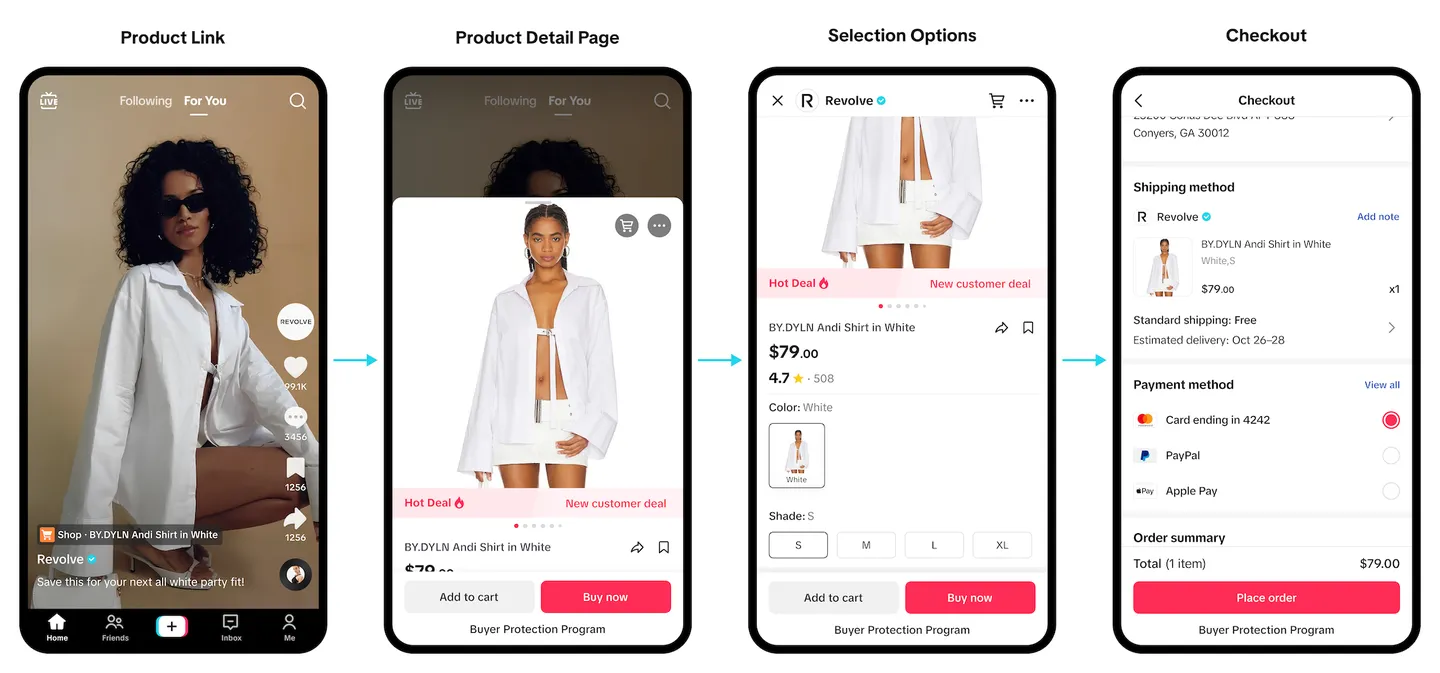
The traditional view of shopping as a destination has transformed; it is now an integrated part of social discovery. The distance between product awareness on social platforms and completing a purchase has shrunk to a single click. Salesforce research reveals that 53% of all product discovery occurs on social media platforms, with that number climbing to 76% among Gen Z consumers, a quarter of whom complete their entire purchase journey without ever leaving the app.
This illustrates a crucial point: your website is no longer your only storefront. Brands must ensure a seamless transition from platforms like TikTok or Instagram to checkout; otherwise, they risk losing the fleeting attention of the 2026 consumer.
The concept of rigid "office hours" is a relic of the past. In today’s globalized economy, consumers expect immediate responses and support, regardless of the time zone. The Zendesk CX Trends 2026 report shows that 74% of consumers expect 24/7 service availability and that 86% consider the speed and accuracy of responses as vital factors in deciding whether to make repeat purchases.
In this scenario, statements like "We will get back to you in 24 hours" are completely obsolete. Instant resolution regarding tracking, returns, and inquiries is now the minimum standard.
How a customer pays is just as vital as what they are buying. Providing flexibility at checkout that accommodates various payment methods is one of the best ways to decrease cart abandonment. Research indicates that consumers using "Buy Now, Pay Later" (BNPL) spend about 6% more than those relying on traditional payment methods. Additionally, Statista projects that mobile commerce will constitute over 62% of all e-commerce sales by 2027.
If your checkout process does not include one-click options such as Apple Pay or Google Pay, or flexible installment plans, you are inadvertently creating obstacles during the crucial purchasing phase.
In 2026, brand loyalty is increasingly derived from the post-purchase experience—how effectively a brand addresses issues, provides value, and maintains a connection. According to the Qualtrics XM Institute, half of consumers are cautious of technology that makes it difficult to access human support when needed. In contrast, research from Ricoh reveals that 85% of consumers are loyal to companies that wisely integrate automated processes with genuine human service.
The ideal blend for successful brands in 2026 is to employ automation to handle routine matters, while ensuring human representatives are available for more complex issues. This creates a harmonious balance that enhances customer satisfaction and loyalty.
Thriving in the 2026 e-commerce environment necessitates a paradigm shift. Technology should not merely serve as a support function aimed at cost-cutting; rather, it should act as a proactive catalyst for growth.
As demonstrated by YepAI, the most successful merchants operating on platforms like Shopify will be those who implement intelligent automation strategies to anticipate and meet customers' evolving needs before they even articulate them. By reducing friction and delivering relevant, timely value, brands can transform a mere transaction into a long-lasting relationship.